Trust-Informed Data Exchange
Machine-readable trust technology that keeps community authority, provenance, permissions, attribution, and benefit-sharing connected to environmental intelligence.
Environmental knowledge increasingly flows into research platforms, government systems, AI applications, restoration projects, and financial decisions. TIDEmark ensures that the source, authorization, and obligations do not disappear as the information moves.
FPIC establishes the decision. TIDEmark makes its conditions operational across digital systems.
Building with




Environmental intelligence should not lose its governance when it enters a digital system.
Environmental decisions increasingly rely on information moving among communities, public agencies, researchers, technology platforms, and financial institutions. Yet nature models are especially vulnerable to hallucinations when they lack reliable, place-based ground truth. TIDEmark turns community decisions into digital permissions that travel with environmental intelligence.
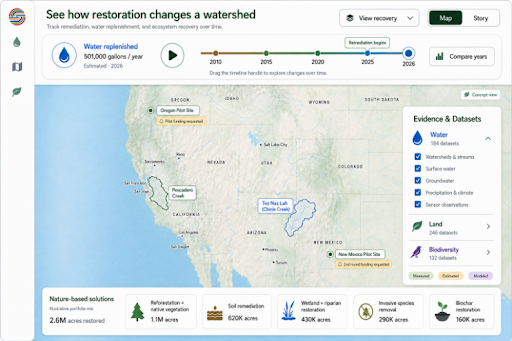
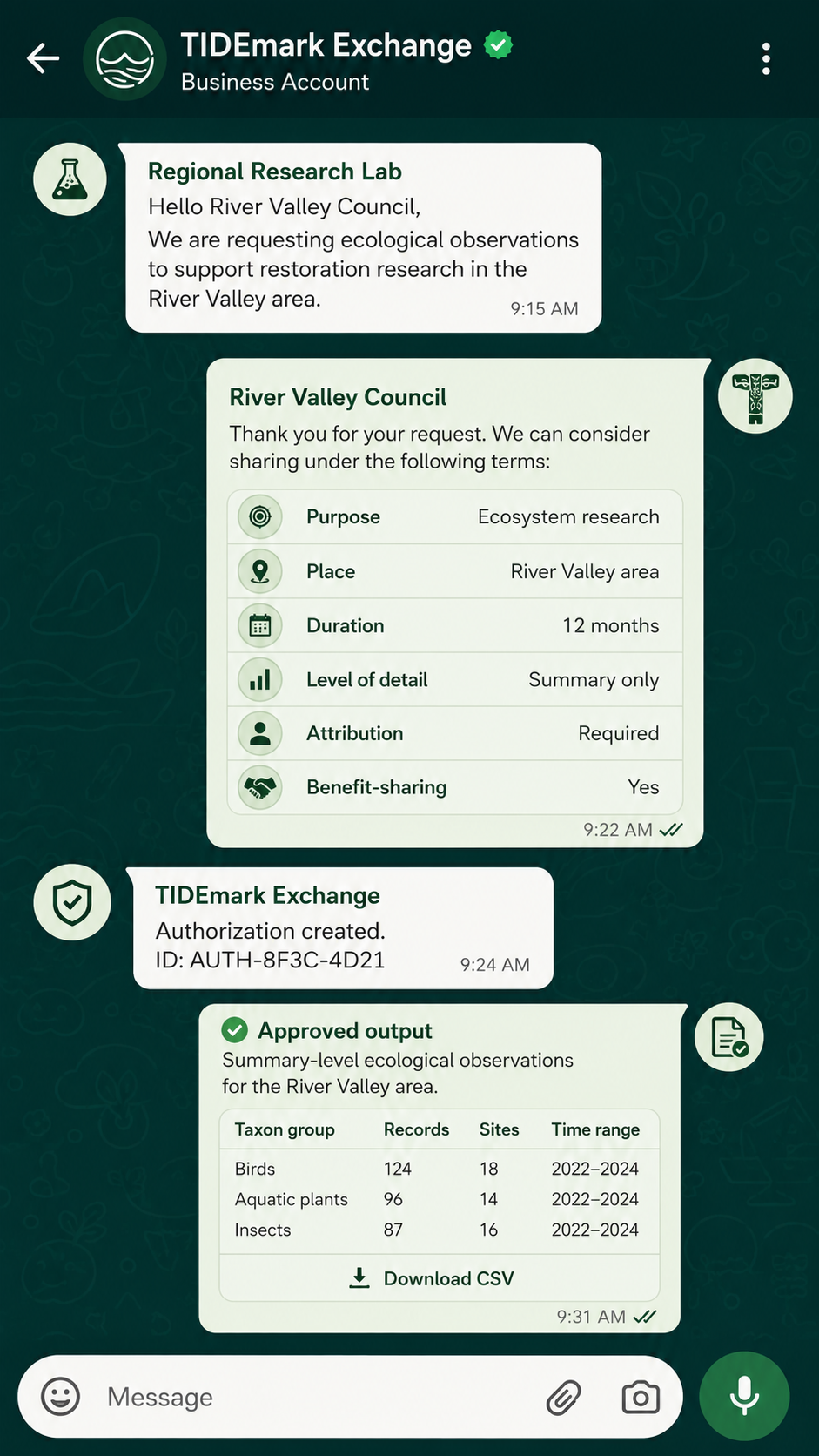
Community-approved terms travel with the data.
Through a mobile-first interface, community representatives can see who is requesting information, what it will be used for, which geography and information categories are involved, and whether attribution, compensation, or benefit-sharing applies. They can approve, restrict, time-limit, update, renew, suspend, or revoke access.
Five components, one chain of trust.
Governance conditions become machine-readable rules.
Approved community conditions are translated into rules a system can enforce, so decisions made in governance carry into software without reinterpretation.
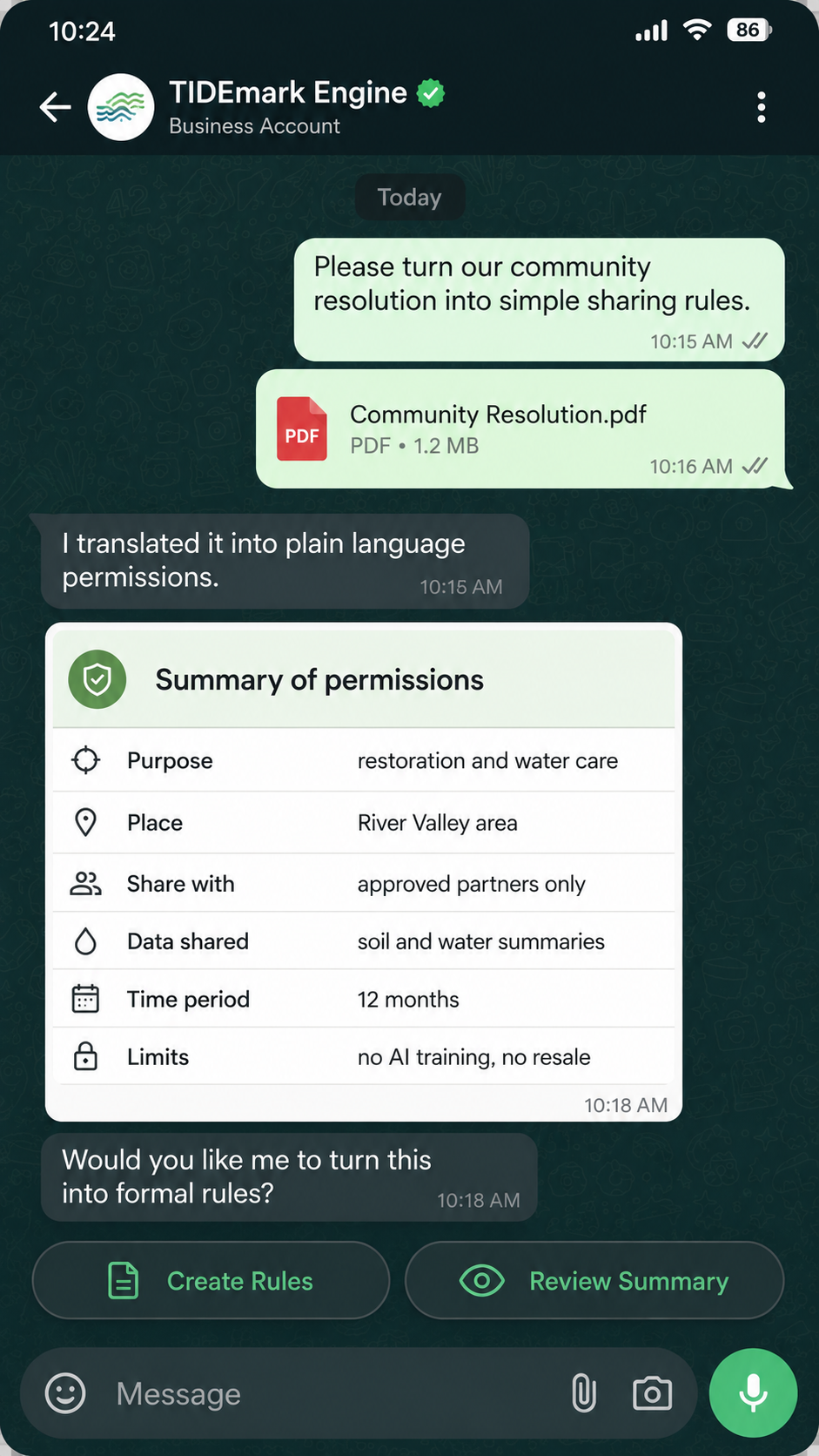
Authority for communities, provenance for institutions.
The same records that keep community authority active give institutions stronger provenance and more reliable environmental intelligence.
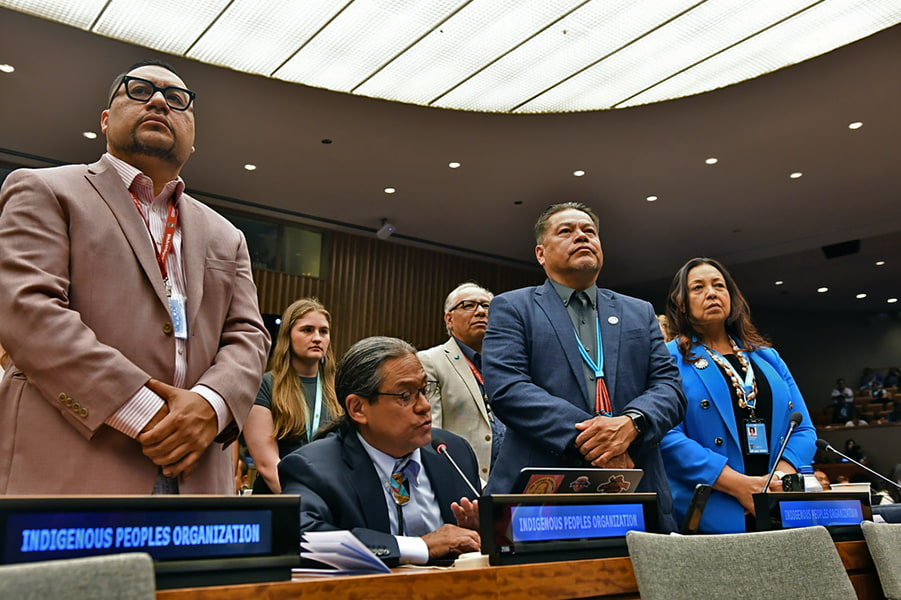
Tribal Nations and Indigenous Communities
Retain authority over ecological knowledge as it moves into government, research, financial, and AI systems.
From community decision to governed exchange in four steps.
Governance comes first. The technology is standardized, while cultural safeguards, permitted uses, and benefit-sharing terms stay locally defined.
Community defines the terms
Governance bodies set permitted uses, information categories, geographies, cultural safeguards, and benefit-sharing conditions.
Terms become rules
The TIDEmark Engine converts those conditions into machine-readable permissions.
Requests are evaluated
Institutions and AI systems request through the governed API and receive only what was authorized.
Use is recorded and per-call rate defined
Every exchange is logged, and authorization can be renewed, restricted, suspended, or withdrawn at any time.
Built from real environmental governance.
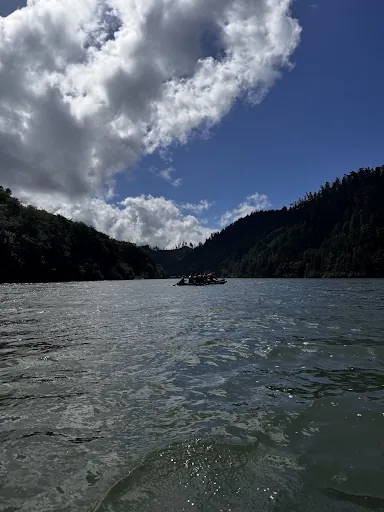
Watershed management with consent attached
A multi-jurisdictional watershed coalition records baseline water quality, cultural safeguards, and permitted uses so that restoration funds flow to the right projects and community terms travel with every report.
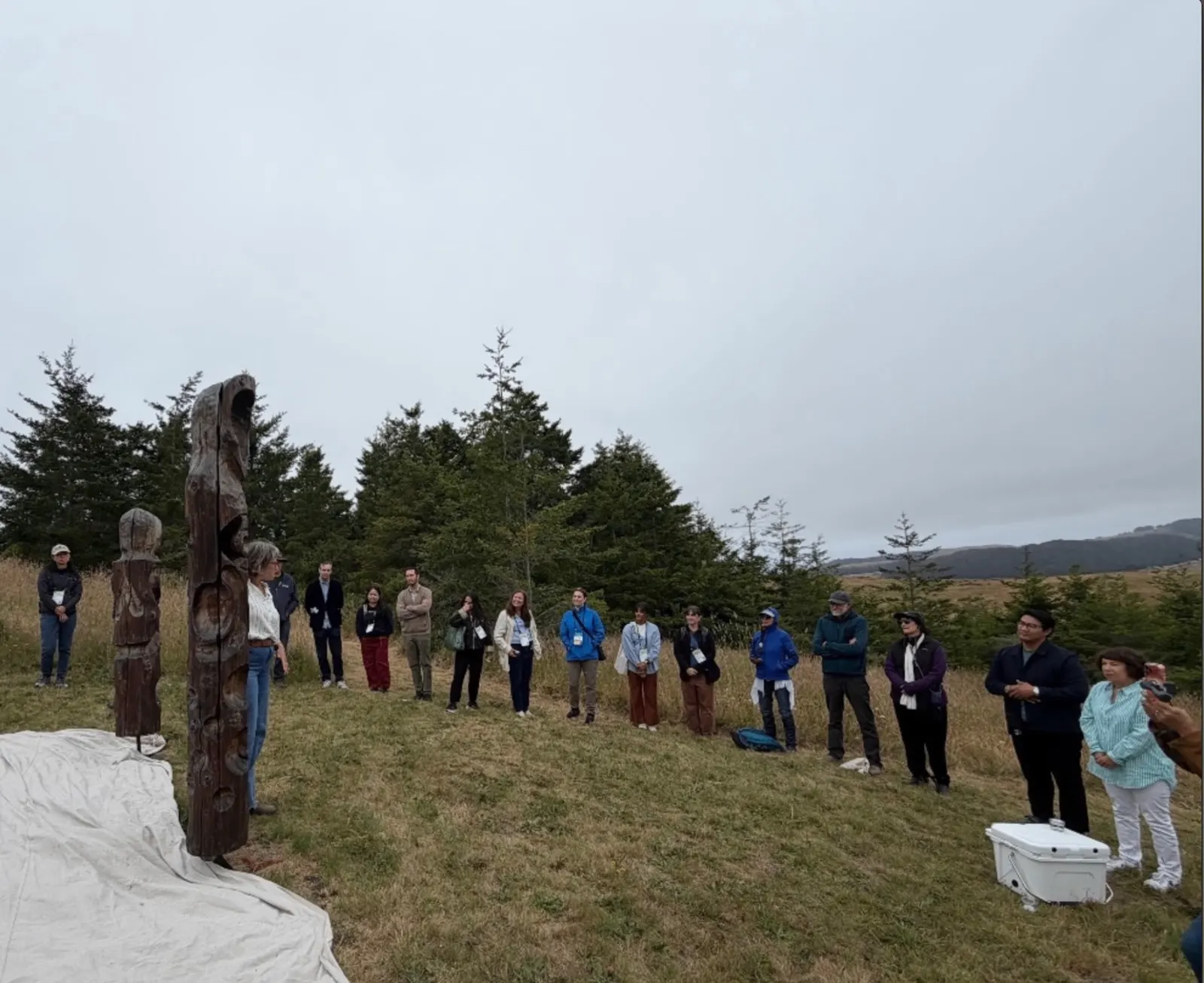
Rangeland carbon verified by community-governed data
A grazing cooperative sets the terms for how soil carbon, biodiversity, and hydrology data can be requested by carbon markets and regulators, so verification does not outrun authorization.
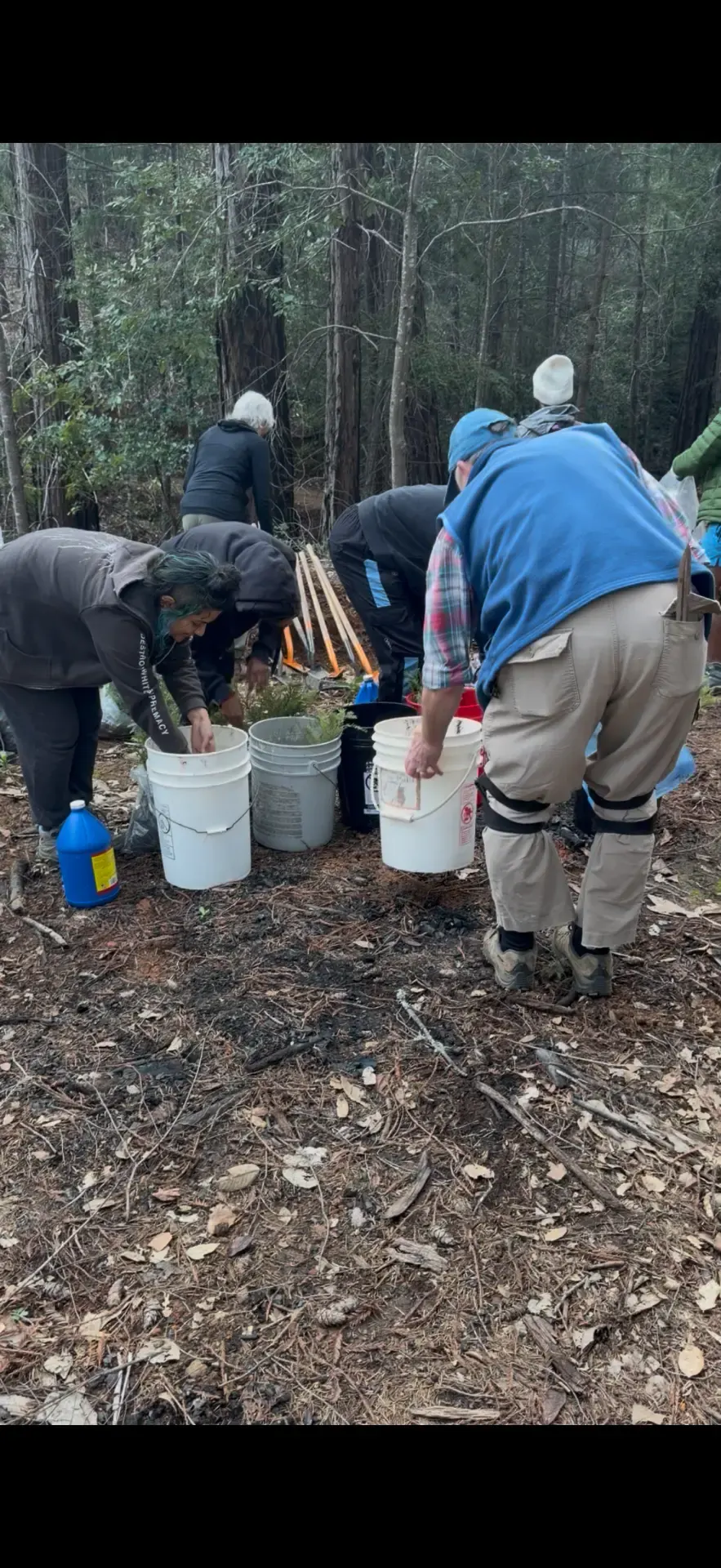
Traditional knowledge guiding a restoration plan
Indigenous land stewards attach permitted-purpose conditions to ecological site assessments, ensuring that Traditional Ecological Knowledge informs the design without being extracted or repackaged without authority.
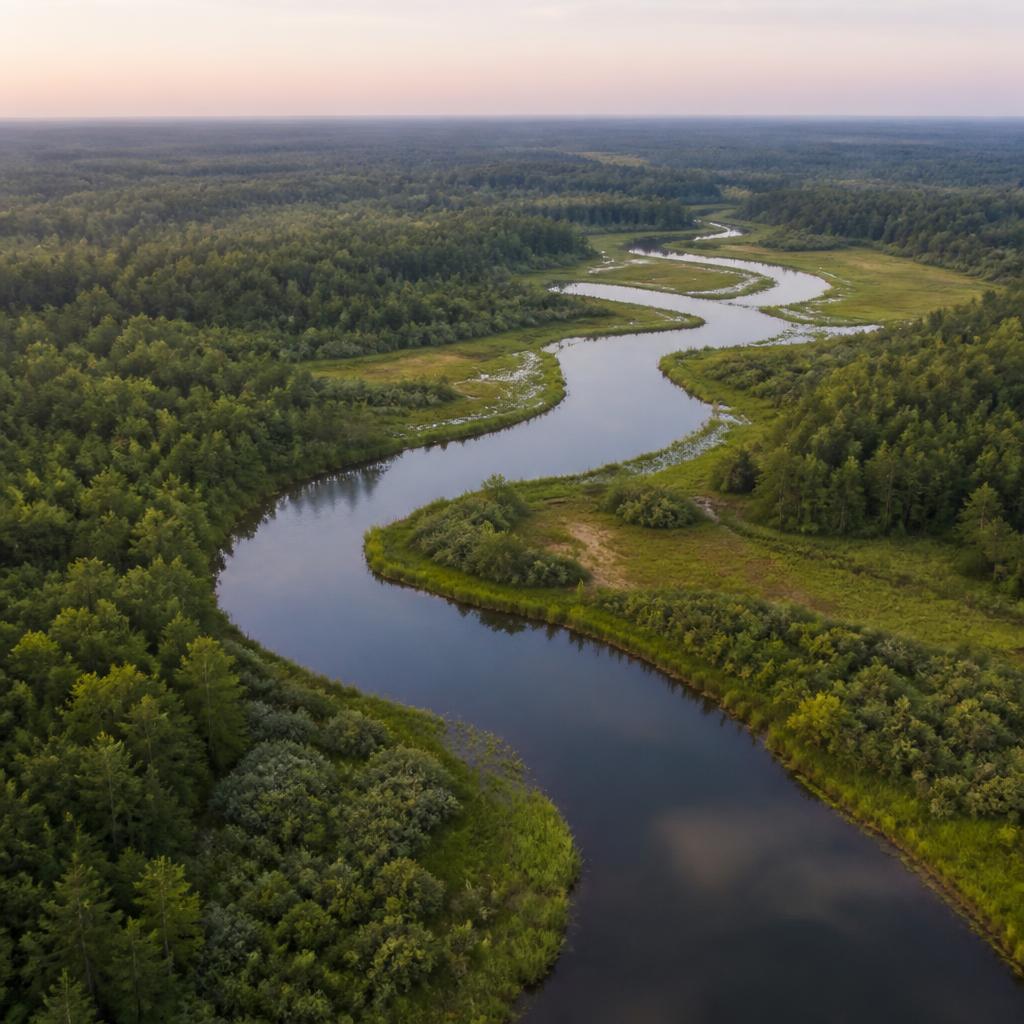
Water restoration data unlocking drought-resilient finance
A watershed partnership governing groundwater recharge, streamflow, and agricultural water-use data gives impact investors and insurers permissioned, provenance-backed evidence to price water risk, fund restoration, and reward efficient use in drought-prone regions.
Questions we get about TIDEmark.
TIDEmark is ProgramEarth's machine-readable trust technology for keeping community authorization, provenance, permitted-use conditions, attribution, and benefit-sharing obligations connected to environmental intelligence wherever it travels.
Environmental intelligence can travel. Its source, authority, permissions, and community obligations travel with it.
Tell us how you need to request or govern environmental intelligence, or email team@programearth.org.