Fund a network of community-led water security initiatives
ProgramEarth deploys rural and Indigenous-led, nature-based land and water restoration projects across North America, South America, and Asia.
To launch 3–5 new watershed pilot projects across 17 million more acres. Capital need: $50K–$200K per site.
State & public-sector partners





ProgramEarth
30 by 30®
Every dollar of new inbound capital directly funds our 30 by 30® campaign. ProgramEarth is committed to restoring 30 million acres of land and regenerating the accompanying watersheds by 2030 through Indigenous-led, nature-based restoration across North America, South America, and Asia.
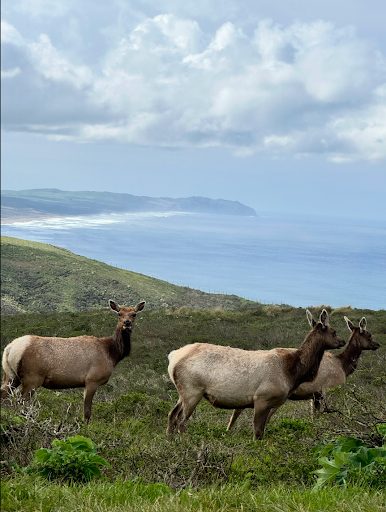
North America
Across the Colorado Plateau, San Juan Basin, Klamath and Kiamichi watersheds, Tomales and Pescadero coastal systems, Duwamish River corridor, Greater Chaco, prairie, bayland, high desert, and Arctic landscapes. 4.7M+ acres of watershed, coastal, prairie, desert, Arctic, and urban restoration, clean water, restored habitat, improved recharge, soil carbon, and climate resilience.
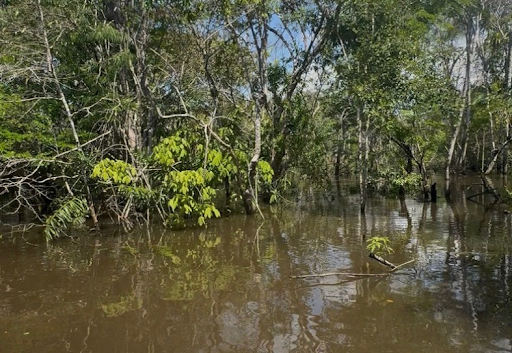
Central & South America
Across Brazil's Amazon-facing regions, with connected forest defense work in Ecuador, Colombia, and Brazil, riparian restoration, firebreak recovery, agroforestry, and pollution accountability across a 5,000-acre pilot and a broader 10.5M-acre forest defense footprint.
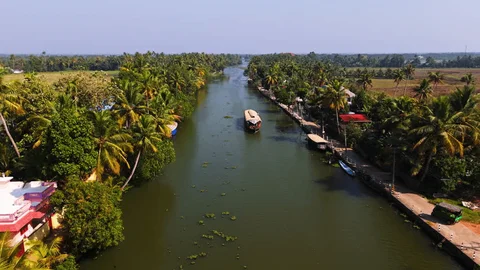
Asia
Across West Bengal, the Philippines, Guam, and Micronesia, soil regeneration, coastal restoration, island resilience, and water-quality work across a 0.8 M acres restoration footprint, with additional coastal and island sites in development.

Community-led circular restoration.
We regenerate ecosystems and deliver measurable, verified outcomes for land, water, and biodiversity.
From baseline to verified outcomes.
- 01Expansion of the projected volume in gallons of water replenished for each acre of land
- 02Reduction of key pollutants in water and soil
- 03Improvement in soil health, soil composition, and microbial diversity
- 04Increase in native vegetation growth and species biodiversity
- 05Decreased carbon footprint via revegetation methods that sequester carbon
Baseline metrics & invasive plant removal
Map ecosystems, establish baselines, and remove invasive species to prepare the land and waterways.
Soil activation & regeneration through biochar
Activate soils, rebuild organic matter, and enhance water infiltration using biochar and nature-based solutions.
Monitoring & data verification
Monitor biodiversity, soil, and water metrics; verify outcomes and report for transparency and compliance.

Restoring 2.6M acres and counting.
Brazil | Amazon-Facing Mangrove & River Restoration
Across 5,000 acres near Rio Negro, the Cipia Tribe and Manaus health partners are restoring drought-damaged firebreak ecosystems with TEK-guided mapping and AI soil-moisture sensors.
West Bengal | Santali-led Mycellium Soil Restoration
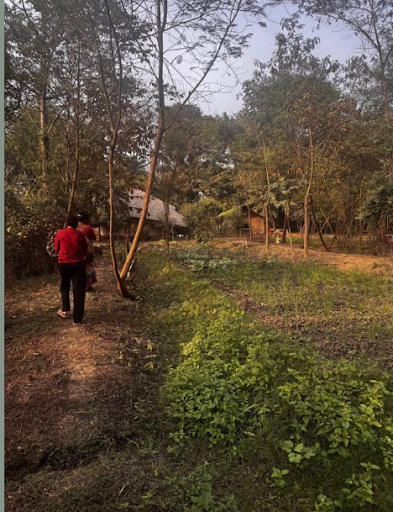
Santali practitioners restore degraded soils across 115 acres with biochar and mycelium, using earthworms, texture, moisture, and paddy residue as signals for food security and watershed health.
California Klamath River | Hoopa Tribe Identify Keystone Species
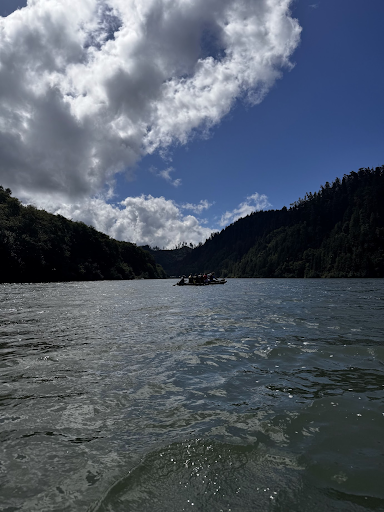
Across .5 million acres, Hoopa and Yurok partners used salmon recovery, water quality, and watershed health to demonstrate the climate and economic value of reconnecting the Klamath River.
Think global, act local.
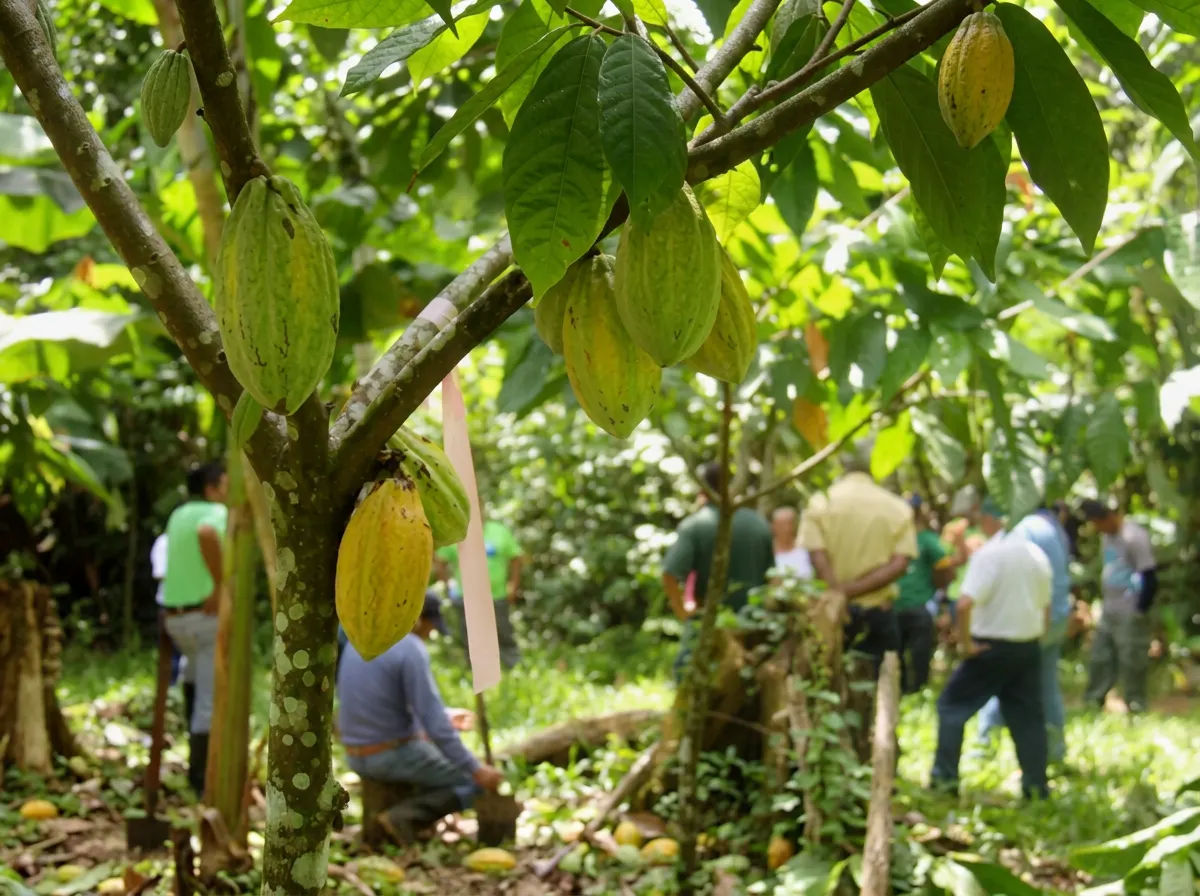
Maya Capital
Site plan: Install shade cover across 15,000 acres in Boden Creek Ecological Preserve.
Impact: Increase sustainable livelihoods with cacao-based agroforestry.
Community partners: Ya'axché Conservation Trust, Ecologic
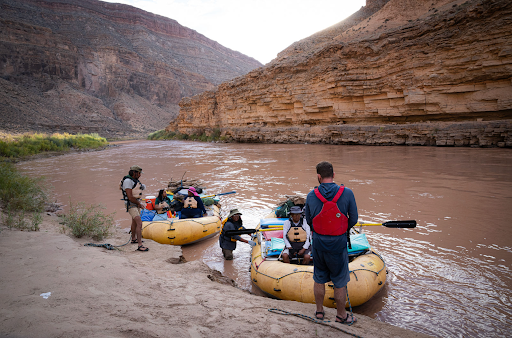
San Juan & Salt River Watersheds
Site plan: Remove invasive plants for biochar application.
Impact: Improve water retention, soil stability, and fire risk reduction.
Community partners: Navajo Mexican Water, Ute Mountain Ute, Southern Ute
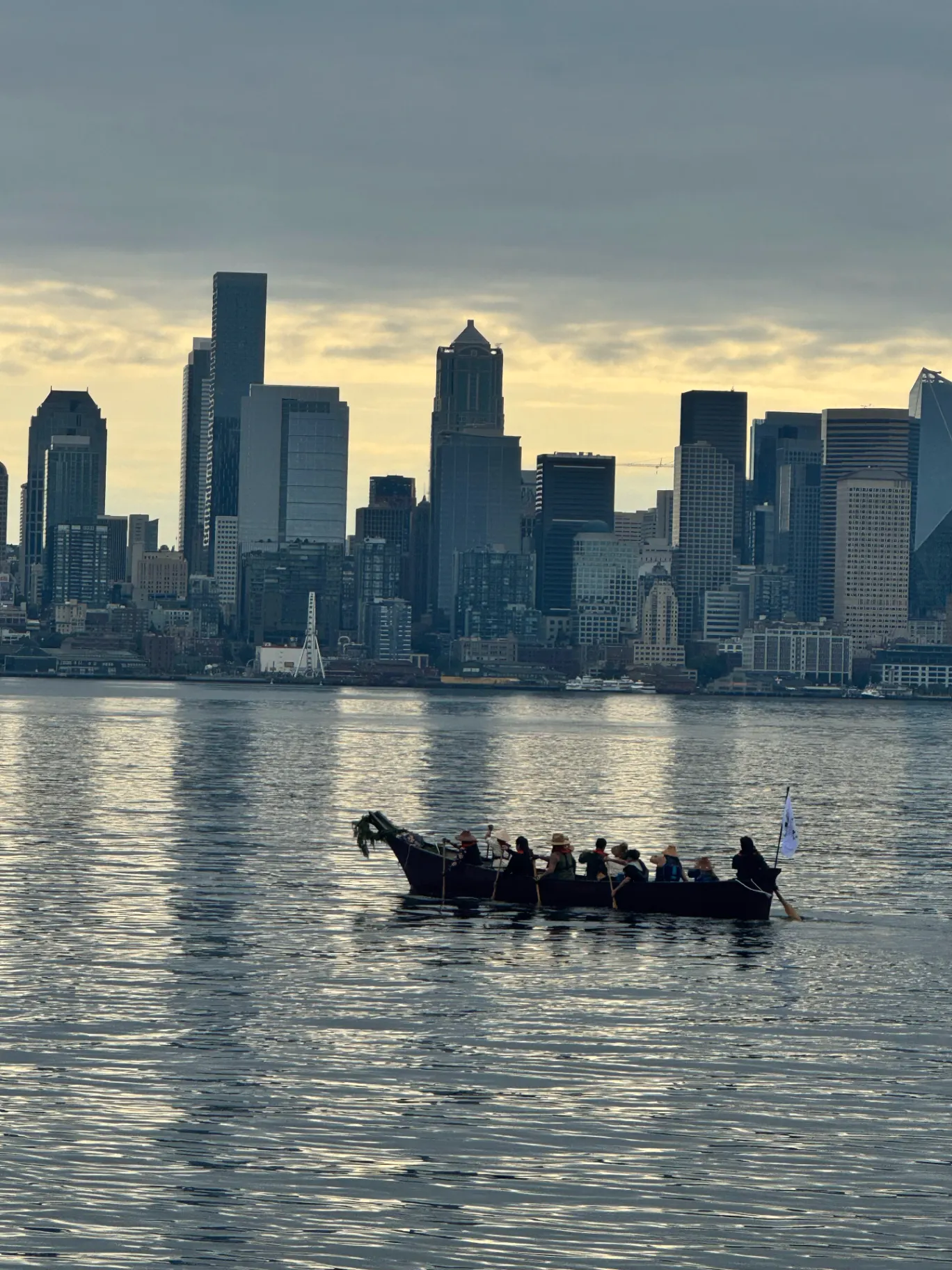
Duwamish Waterlines
Site plan: Digitize existing maps of water boundaries and use forestry residues for biochar application.
Impact: Remediate water, track watershed improvements, and improve native vegetation growth.
Community partners: Duwamish Longhouse, University of Washington
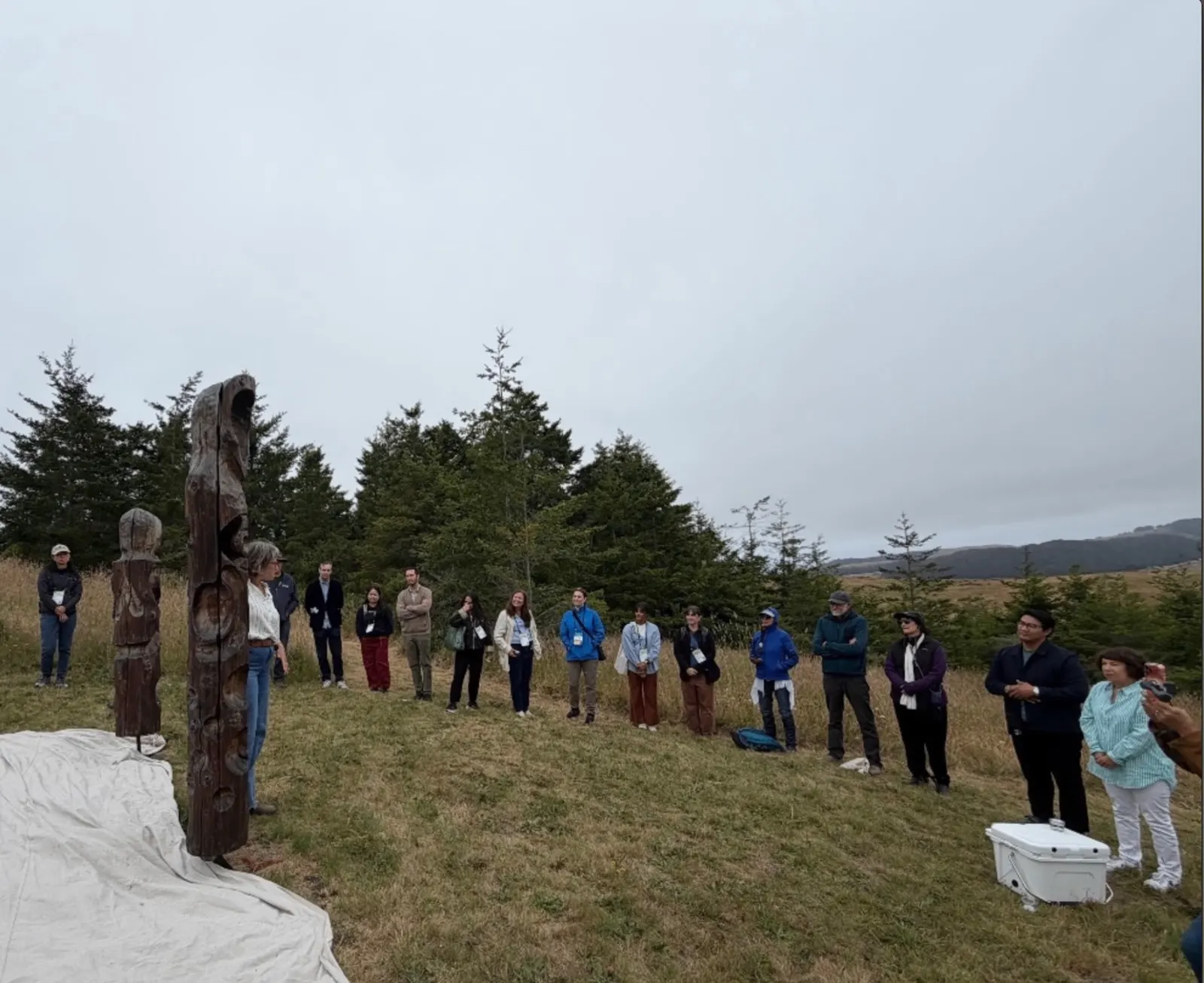
California
Site plan: Restore coastal meadows and creek corridors across 60,000+ acres.
Impact: Improve groundwater recharge, water filtration, soil carbon, and wildfire resilience.
Community partners: Red Dot Ranch, San Mateo RCD, CBI EPA, Association of Ramaytush Ohlone
Academic & tribal partners





Help fund the next land projects.
Support community-led restoration across land, water, and biodiversity systems. Healing ecosystems. Empowering communities. Securing our future.