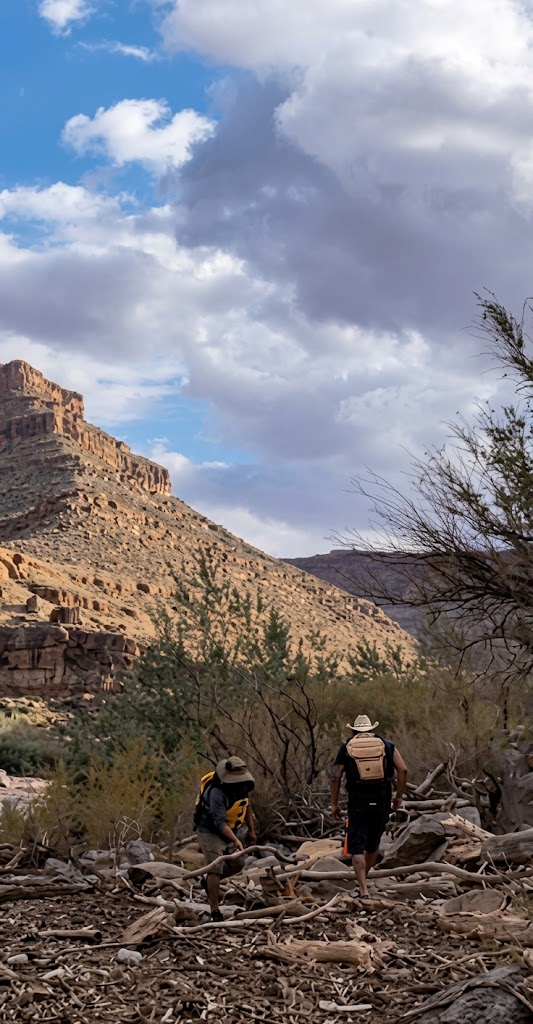
Reducing wildfire risk
Removing invasive vegetation and excess biomass lowers fire intensity and protects vulnerable landscapes.
- Fuel load reduced
- Invasive biomass removed
- Biomass converted to biochar
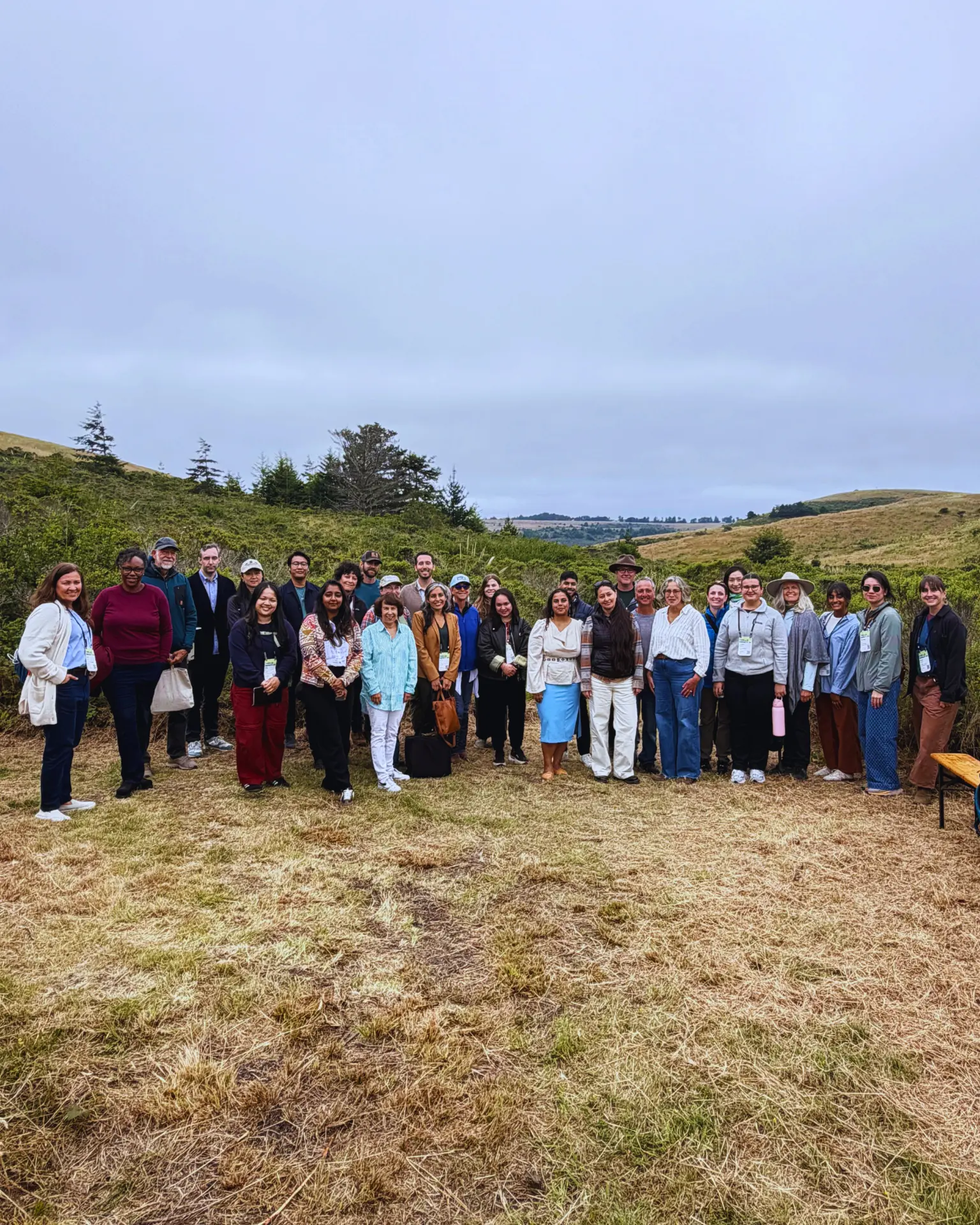
Nature as infrastructure: watersheds, streams, soils, biodiversity, backed by bioregional ecological knowledge.
The next phase of this network is being co-designed with Tribal Nations, expanding stewardship agreements, data sovereignty practices, and shared technical capacity across bioregions.

Each restoration site contributes to the same measurable outcomes, tracked in the field and rolled up across the portfolio.
Removing invasive vegetation and excess biomass lowers fire intensity and protects vulnerable landscapes.

Native revegetation stabilizes soil, protects waterways, and strengthens riparian and coastal ecosystems.
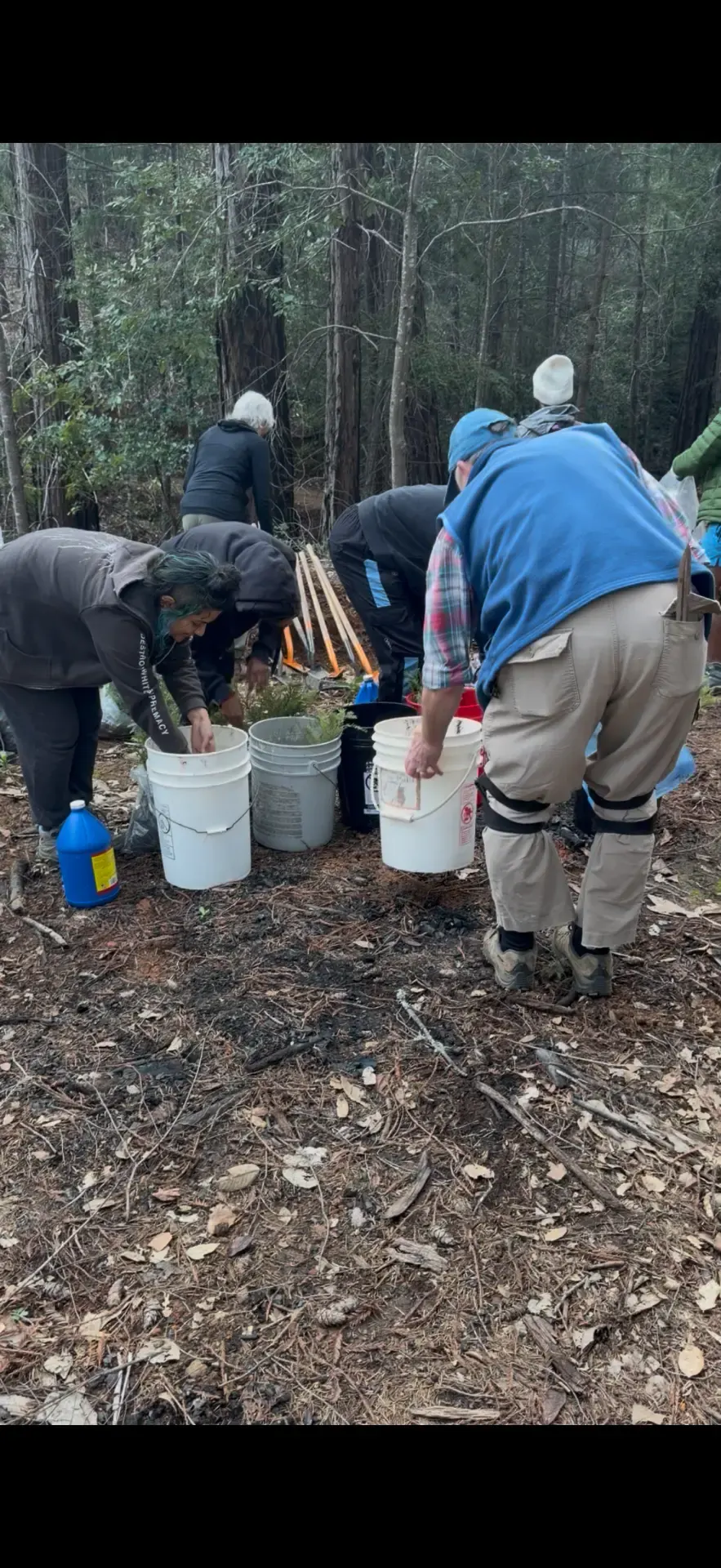
Biochar and soil regeneration help land absorb more water, retain moisture, and reduce runoff.
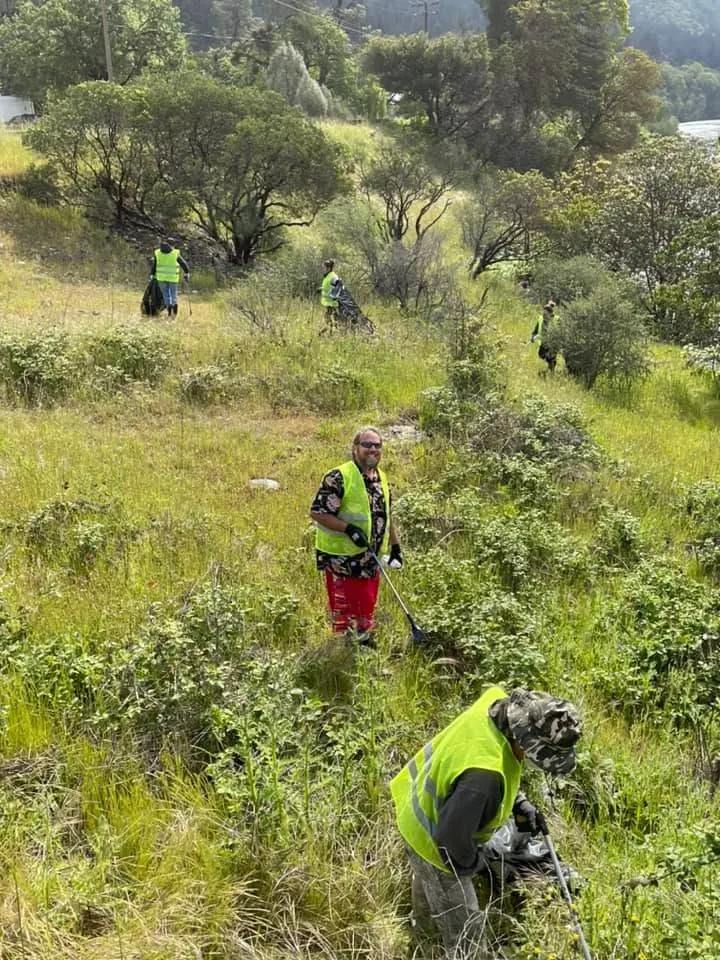
Trees, grasses, and native plants rebuild habitat, support biodiversity, and improve ecosystem resilience.




Hackathons, fellowships, and open-source projects help build the GIS, sensor, API, and AI capacity needed to scale restoration.
An estimated 50 to 60 percent of the land and water management workforce is set to retire within the next ten years. The skillsets to do that work have to be built now.




















One connected system for observing, understanding, and acting on change.
We don't just ship open-source tools; we build infrastructure for the public benefit. Every repository, dataset, and dashboard we create is accessible, ensuring anyone can build upon our work to protect and restore our ecosystems.